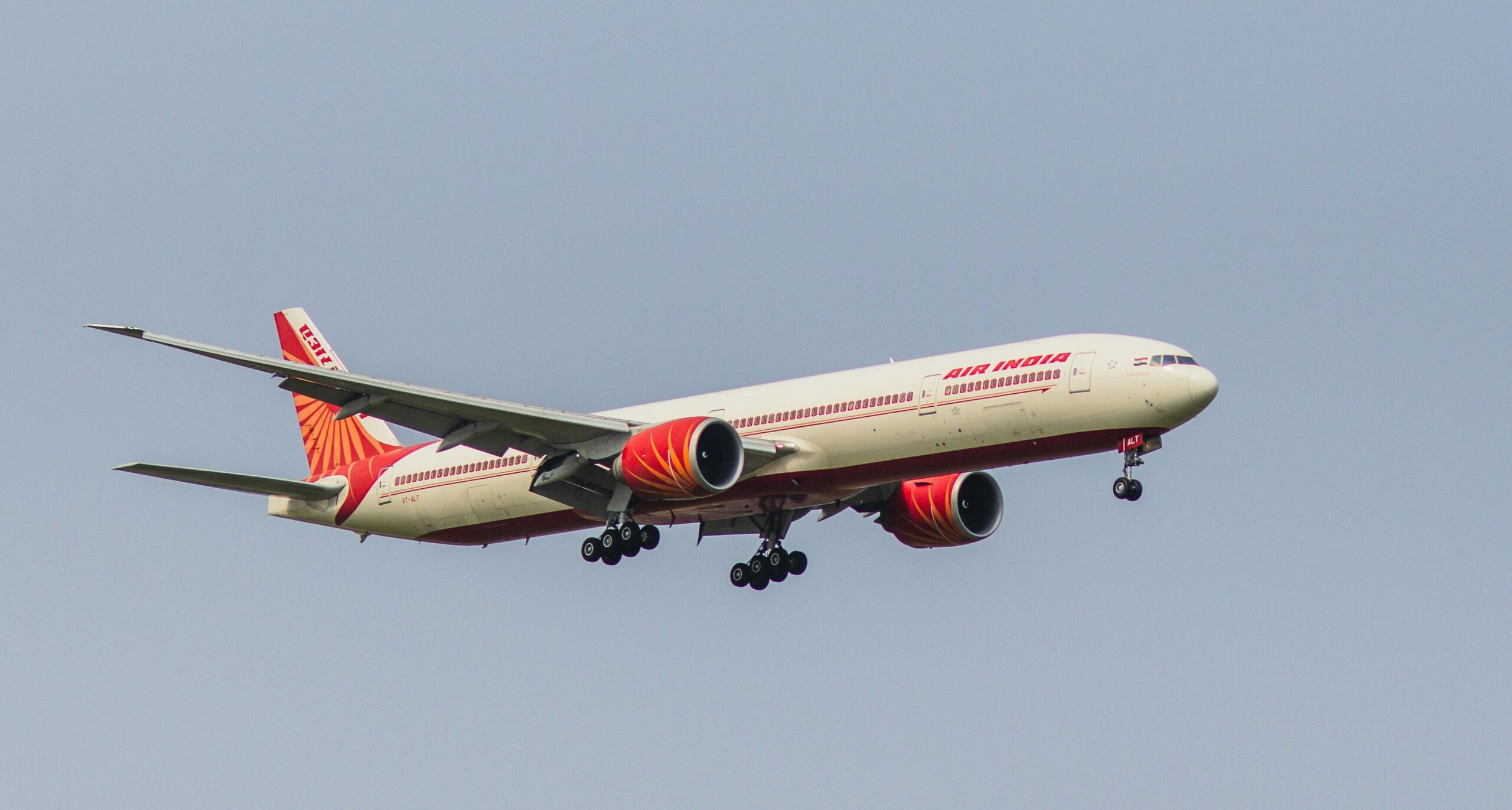
New Delhi — A recent audit by India’s aviation regulator has revealed 51 serious safety violations at Air India. The Directorate General of Civil Aviation (DGCA) uncovered these issues during a probe launched after the June crash of a Boeing 787 in Ahmedabad, which killed 73 passengers and crew.
Inspectors found that the airline used unapproved flight simulators, failed to adequately train pilots, and neglected several mandatory safety protocols. As a result, regulators have raised serious concerns about the airline’s operational readiness.
“This isn’t just paperwork — these are direct risks to flight safety,” said a DGCA official, speaking to [Your News Website] on condition of anonymity.
🔎 What the Audit Found
According to the DGCA, the investigation revealed the following:
- Air India used unauthorized simulators to train pilots, which violates national aviation standards.
- Senior captains, particularly on international routes, missed required Crew Resource Management (CRM) training sessions.
- The airline failed to consistently follow pre-flight inspection procedures. In some cases, these were skipped entirely.
- Incident reports were delayed or left incomplete, which significantly hindered safety monitoring and accountability.
✈ Airline Responds
Air India acknowledged the audit findings and has launched an internal review. According to a company spokesperson, corrective actions are already in progress.
“We’re implementing changes to ensure full compliance. Safety remains our top priority,” the spokesperson stated.
Furthermore, sources within the airline indicated that it is re-evaluating simulator contracts and plans to appoint a new Chief of Safety within the next few weeks.
📉 Industry Impact
The findings have drawn attention across the aviation industry. Experts believe the audit could damage public confidence in the national carrier. Moreover, the issue has prompted a broader conversation about regulatory oversight in India’s growing aviation sector.
“It’s alarming to see these gaps right after India achieved FAA Category 1 safety status,” said aviation analyst Capt. Rajiv Mehra. “This could potentially slow down the country’s progress as an emerging aviation hub.”
⏩ What Happens Next
The DGCA has given Air India 15 days to submit a corrective action plan. In addition, regulators plan to expand audits to other domestic carriers to ensure compliance across the industry.
🧭 Background
The June 21 crash of Air India flight AI787 during its descent into Ahmedabad led to this urgent regulatory review. Investigators believe pilot error and insufficient training may have contributed to the incident. Consequently, safety regulators have adopted a more aggressive audit strategy.
📌 Editor’s Note:
This story is developing. Stay tuned to https://globaldailynews.in/ for updates on aviation safety, airline accountability, and regulatory enforcement in India.